
New Point Kayak Trail
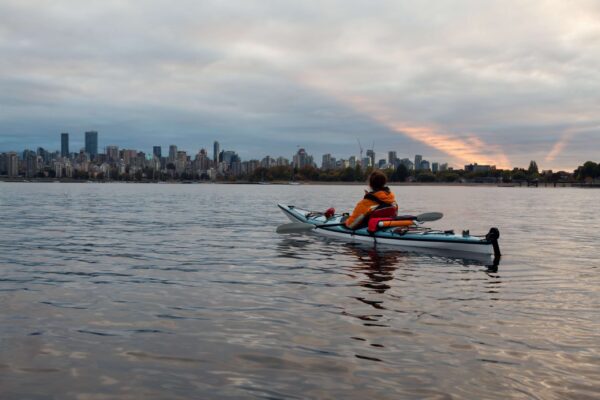
Kayakers who explore the Chesapeake shoreline often see the New Point kayak route as a quiet coastal path that has been shaped by wind, tide, and a long maritime history. This route runs along an open part of Virginia’s Eastern Shore and shows barrier beaches, wide bay water, and a natural rhythm that explains when, why, and how people paddle here.
Setting and Route Characteristics
The New Point kayak route goes along a stretch of open shoreline near an old lighthouse site and low coastal land. The area looks out over the open Chesapeake Bay, so the landscape seems wide and flat, with few things blocking the view. The color and surface of the water change quickly with the weather and the tides.
This path doesn’t go through a narrow creek or a protected marsh. It is a paddle that faces the bay and lets you see the horizon lines for a long time. Because of this openness, the wind often has a steady effect on paddlers and the waves last longer. There are usually simple shoreline points where you can launch your boat instead of built marinas.
Some important geographic features are:
- Open bay with few trees around it
- Sandy and mixed shoreline with bits of shell
- Shallow areas close to shore that get deeper slowly
- Clear views of offshore markers and landforms
The New Point kayak route is good for paddlers who want to learn about how the coast moves instead of how to make tight turns.
Water and weather conditions on the New Point kayak route
The weather affects the New Point kayak route. Tides change the shape of the shore and the direction of the current. When the tide is low, shallow flats can stretch a long way from the shore. When the tide is high, waves hit land with more force and go closer to it.
Wind direction is more important here than on roads that go inland. Even a little wind can make waves on open water. Mornings are often calmer, but afternoons bring more movement. Storms that happen at certain times of the year can change the edges of sand and move entry points.
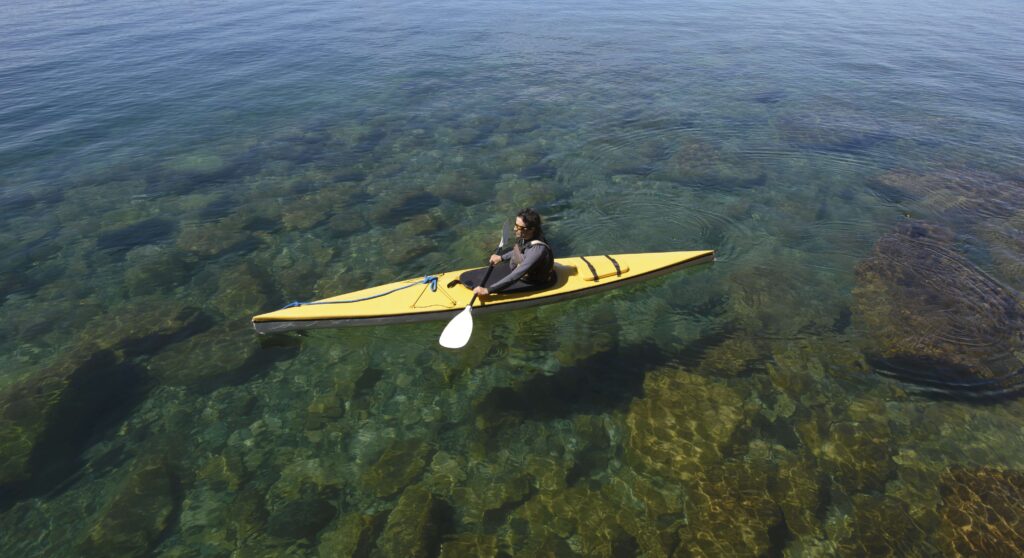
Things to think about before you start paddling:
- Tide schedule and expected water level
- Wind speed and direction across the bay
- How well you can see and how many clouds there are
- Temperature of the water by season
These things affect safety, speed, and planning the route.
Watching wildlife and nature
The New Point area is home to a wide range of coastal wildlife, even though it feels open. Birds are the most obvious thing to see. Gulls, terns, and shorebirds follow the tides and when they eat. There are more species during migration times.
Most marine life stays below the surface, but you can see it through ripples, fin breaks and feeding patterns. Shellfish beds and grasses that are underwater help the local ecosystem. Quiet paddling lets you get a better look without bothering anyone.
The area’s history
The New Point shoreline has been important to shipping for a long time. A lighthouse used to guide ships through this part of the bay, pointing out dangers and safe routes. The area’s alignment with shipping routes shows its history of navigation, even though there are no active structures there.
Fishing has been a part of life in this area for generations. Small working boats used to move close to shore, following lines that are now similar to those of kayaks. Knowing this history makes the paddle more meaningful by linking the movement of the present with life on the coast in the past.
The physical traces of history are still there. They show up more in the names of places, the shape of the shoreline, and the direction of the shoreline than in ruins that can be seen.
Safety and Common Sense
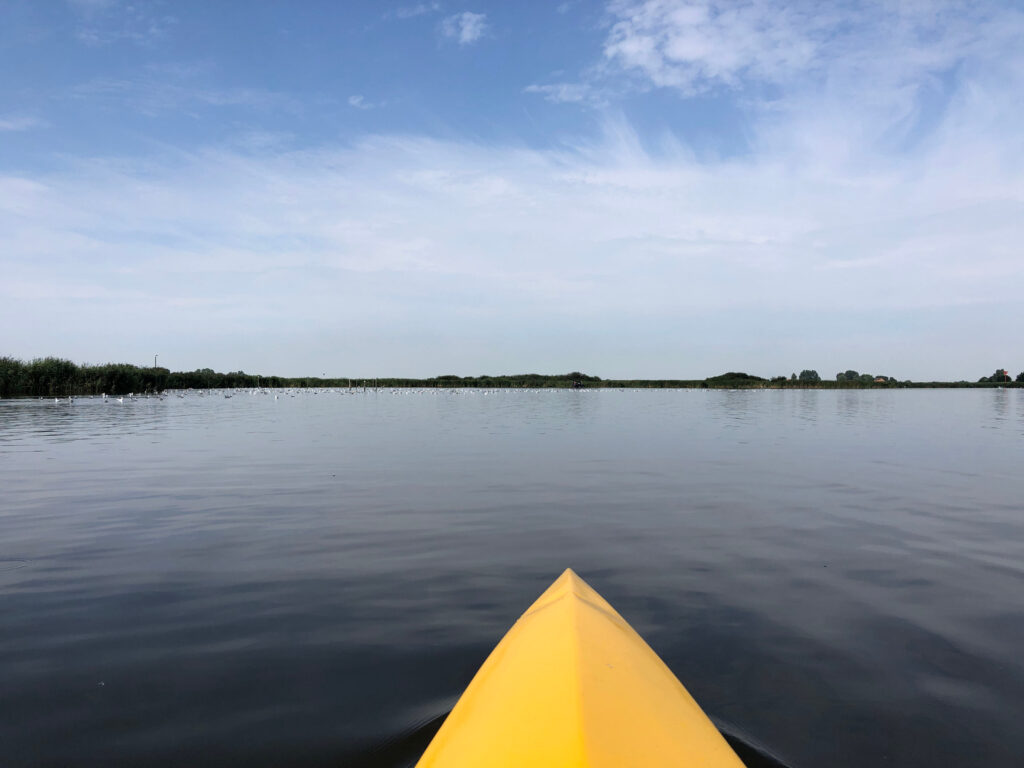
It’s important to be honest about your skills and get ready for the New Point kayak route. When you’re in open water, you don’t have as many options for getting out when the weather changes quickly. Flotation gear and communication devices are still essential.
You should be able to control the boat in the right way for the situation. Paddlers should be able to keep going straight even when the wind is blowing sideways and the waves are not. Putting space between groups lowers the chance of crashes during gusts.
Some things to be aware of are:
- There isn’t much natural shelter along the way.
- Quick changes in the weather from the bay
- More boats out in the water
- Being tired from always having to correct things
- Respecting the conditions keeps the path open and fun.