
New Quarter Park Kayak Route
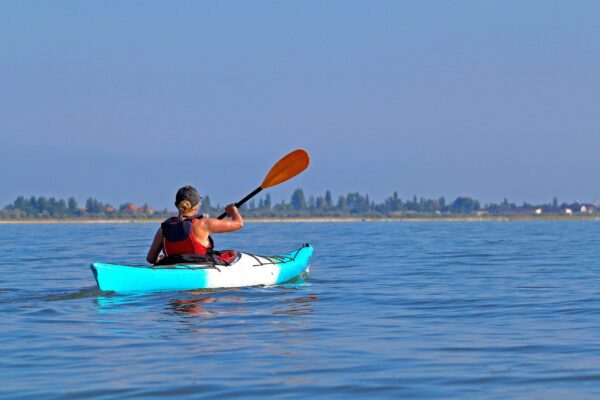
The New Quarter Park kayak route goes through calm tidal creeks in the western part of the Virginia Peninsula. These creeks are connected to bigger bays. The route tells paddlers where to go, how the water acts, why the area feels safe, and when the weather is good for slow, controlled movement.
Location and Route Structure
The kayak route through New Quarter Park goes through a managed natural area with forest edges, marsh lines, and waterways that curve gently. Compared to open bay routes, the setting feels closed in. On most sides, trees block the wind, and shorelines stay close. This gives you a sense of direction without strict rules.
The path usually starts near a small launch area that leads directly to tidal water. From there, paddlers go around bends that follow the shape of the land. Straight parts look short, and curves show up a lot. Navigation depends more on what you see than on what you touch.
Some features of the landscape are:
- Soft borders made by marsh grass zones
- Banks with trees that block the wind
- Near the shore, mud and sand mix together.
These features make it easy to move at a slow pace and keep an eye on things.
Water Behavior on the New Quarter Park Kayak Route
The water on the New Quarter Park kayak route moves slowly and in a predictable way. Tides still control direction, but the strength of the current is still limited by the narrow width and plants. The incoming tide raises the water slowly, while the outgoing tide shows more details of the shoreline.
The surface texture usually stays flat. Small ripples don’t come from waves; they come from the wind or animals passing by. Rain can make things a little less clear, but sediment settles quickly because the flow is slow.
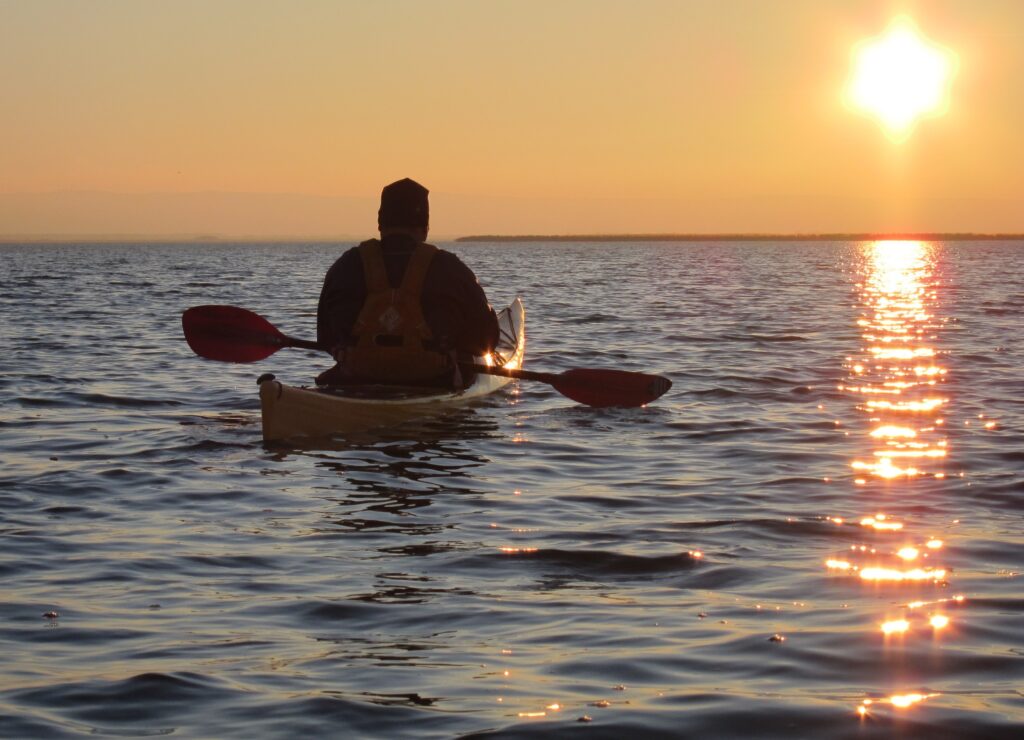
Paddlers usually plan around:
- Mid to high tide makes it easier to get through
- Light wind days for calm surfaces
- Weather that stays the same and doesn’t have storms
- Hours of visibility during the day
These conditions make it easy to keep control and don’t require much physical effort.
Observing wildlife and nature
The New Quarter Park kayak route is well–protected, which makes it easy to see wildlife. Birds are still the most obvious thing. Songbirds stay close to trees, and water birds eat along the edges of marshes. Sounds of movement often come before seeing something.
Life in the water stays hidden but is still active. When fish feed, they make short rings on the surface. During warm weather, turtles can be seen near logs. Insects fly over grasses, especially in the late spring and summer.
Because the water is still, reflections make it easier to see. Paddlers who move slowly often see small changes in the color and light on the water’s surface. This route rewards patience more than distance.
Patterns of Land Use and History
The area around the New Quarter Park kayak route shows a long history of balancing land protection with low–impact recreation. The land stayed mostly undeveloped, which kept the original creek paths and shoreline curves intact. It seems that people can only make small changes to things.
In the past, land use was more about getting to resources than getting around. This is why there are no straight canals or strong banks. Modern access points don’t change the way land works; they just follow it.
This background affects how you paddle. Movement feels like it’s guided by natural structure instead of by man–made design.
Things to think about for safety and awareness
Environmental awareness, not exposure risk, is the main focus of safety on the New Quarter Park kayak route. Even though the route feels safe, paddlers still have to deal with changing tides and weather. When the water is low, mud banks can make it hard to get out.
When there are many plants around, it’s hard to see around bends. This requires being aware of your surroundings and going at a moderate speed. When you share waterways, you might run into other small boats from time to time.
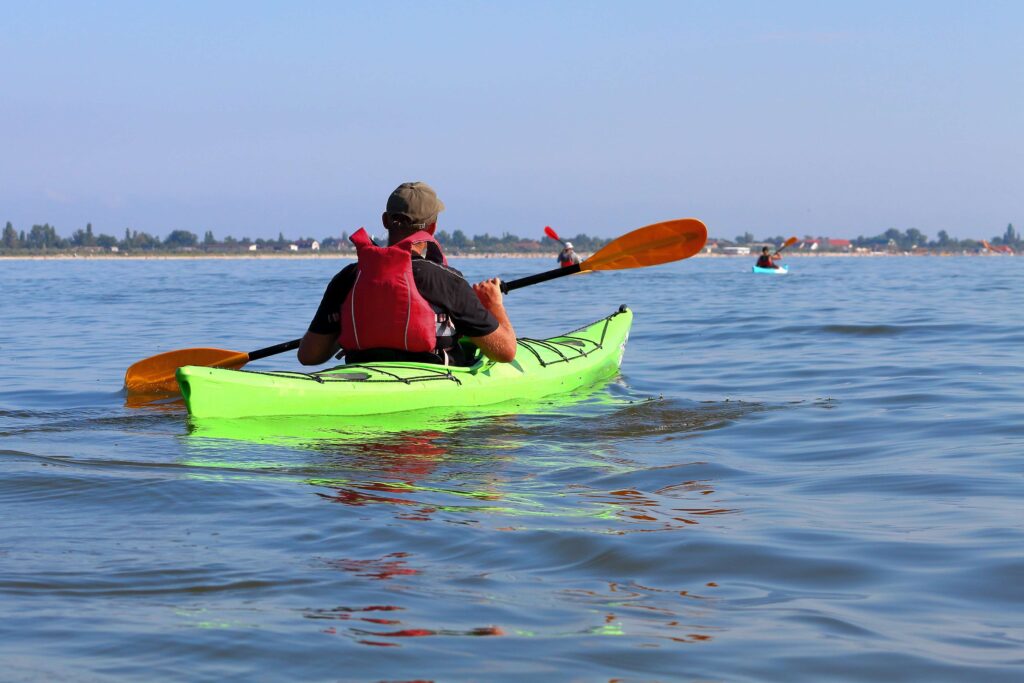
Important things to keep in mind are:
- Tidal timing affecting access to the shore
- Insects in the summer
- Wind cooling is limited in the summer.
Preparation helps you feel comfortable on longer trips that are focused on observation.
Differences in seasons and timing
The kayak route in New Quarter Park looks and feels different in different seasons. In the spring, the water gets clearer, and more birds come out. Plants grow thick and the air gets warmer in the summer. In the fall, there are fewer bugs and better views. Winter shows the shape of the shoreline, but you have to be ready for cold water.
The morning is usually the quietest time of day. Using it in the afternoon may make things louder and busier without making the scenery better. Shorter loops work well with planning for half a day.
The New Quarter Park kayak route is still a sheltered tidal path where slow water, land that is surrounded by water, and the natural rhythm of the water make for a calm paddling experience.